MILK POWDER
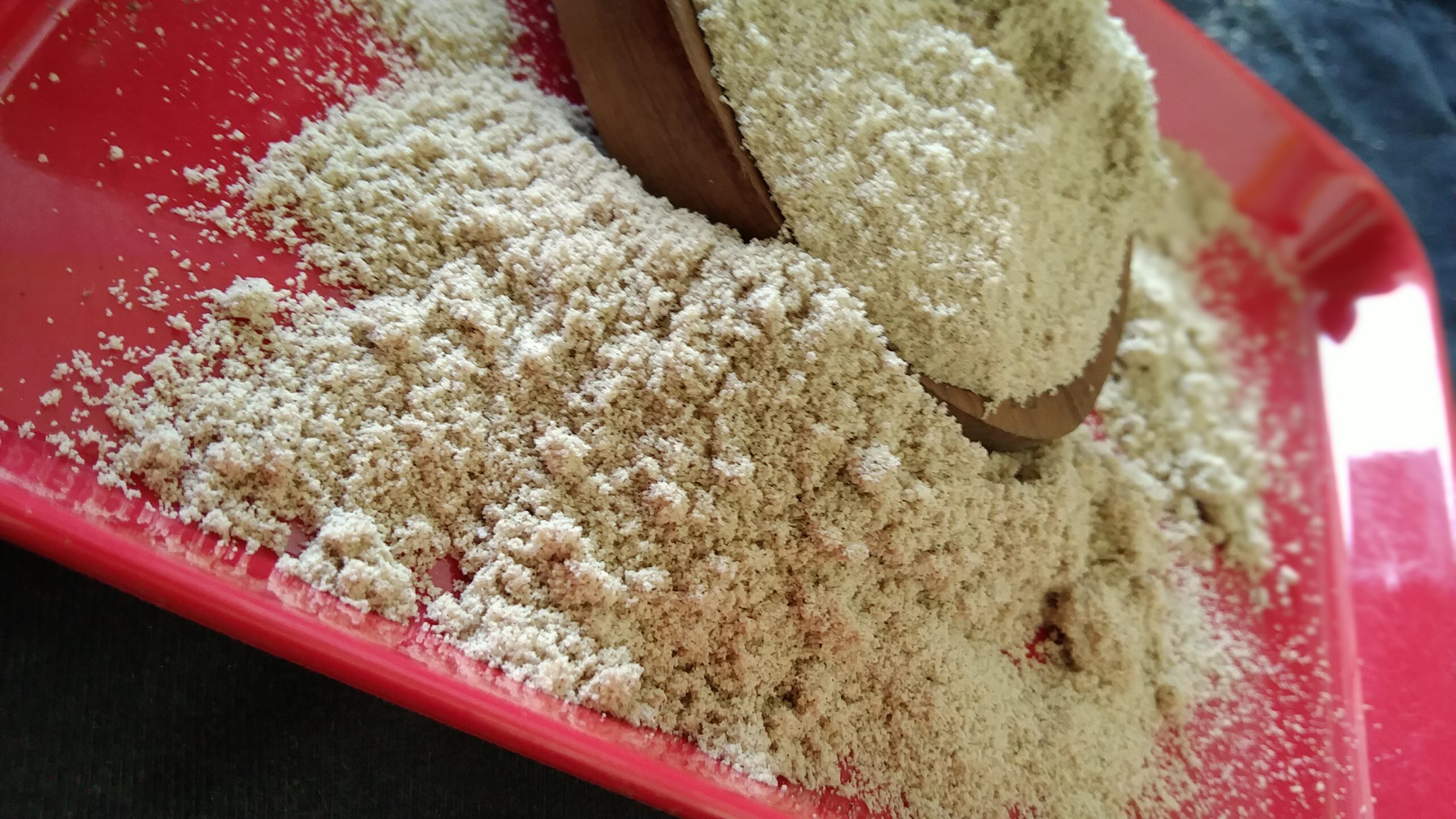
1. SKIMMED MILK POWDER: Skimmed milk powder (SMP) is produced by removing nearly all water and fat from fresh pasteurised milk. It offers a high-protein, low-calorie dairy alternative that is shelf-stable and nutrient-dense.
Key Health Benefits:
- Lean Protein Source: It is packed with high-quality casein and whey proteins, containing all essential amino acids required for muscle repair and immune function without the added saturated fat of whole milk Healthline.
- Bone Density Support: SMP is a concentrated source of calcium and phosphorus, which are critical for maintaining strong bones and preventing osteoporosis.
- Weight Management: Because it is virtually fat-free, it allows for nutrient intake with significantly fewer calories, making it a staple for calorie-restricted diets.
- Heart Health: With the removal of saturated fats and cholesterol, skimmed milk powder is a heart-friendlier option for those
managing hypertension or cardiovascular issues.
- Vitamin Fortification: Most commercial powders are fortified with Vitamin A and Vitamin D, which are lost during the skimming process but are essential for vision and calcium absorption.
2. A2 – MILK POWDER : A2 milk powder is produced by dehydrating milk from specific cow breeds (such as the Indian Gir or Jersey) that naturally lack the A1 beta-casein protein. It is widely regarded as a “gut-friendly” alternative to conventional dairy.
Key Health Benefits:
- Enhanced Digestibility: Conventional “A1” milk produces a peptide called BCM-7 during digestion, which is linked to gut inflammation and “milk sensitivity.” A2 milk does not produce this peptide, often resolving bloating and digestive discomfort.
- Immune & Respiratory Support: Some research suggests A2 milk is less likely to trigger mucus production, making it a preferred choice for individuals prone to respiratory allergies or congestion.
- High Antioxidant Levels: A2 milk contains higher levels of Glutathione precursors, the body’s “master antioxidant,” which helps protect cells from oxidative stress and supports liver detoxification.
- Bone & Brain Health: It is a concentrated source of bioavailable calcium, phosphorus, and Vitamin B12, essential for maintaining bone density and healthy nerve function.
3. GOAT MILK POWDER: Goat milk powder is a nutrient-dense, shelf-stable alternative to cow’s milk, often praised for its unique protein structure and high mineral bioavailability.
Key Health Benefits:
- Easier Digestion: Goat milk contains smaller fat globules and forms a softer curd in the stomach compared to cow’s milk. It naturally contains A2-type protein, which is less likely to cause the digestive inflammation associated with A1 bovine protein.
- High Mineral Bioavailability: Research suggests that minerals like iron, calcium, magnesium, and phosphorus are more easily absorbed from goat milk than from cow’s milk, making it an excellent choice for treating mineral deficiencies
- Prebiotic Power: It contains significantly more oligosaccharides (prebiotics) than cow’s milk. These help nourish beneficial gut bacteria and support a strong immune system.
- Heart Health: Goat milk is high in medium-chain fatty acids (MCTs). Unlike long-chain fats, MCTs provide a quick energy source and are less likely to be stored as body fat, while helping to lower cholesterol